
Grant County Same-Day Arrest Status
Grant County publishes no same-day booking list, live jail roster, or 24-hour arrest feed. The reason is simple. The county has no jail. A 2024 Minnesota Department of Corrections regional jail study says so directly. The Grant County Sheriff's Office still handles prisoner transport. It also handles central records work. Its public page names no standing receiving facility, though. So any outside roster claiming to capture every local arrest would be guesswork.
Call the sheriff's office. The official Grant County Sheriff page lists the number, 218-685-8280. Ask three questions. Who made the arrest, where the person was taken, and which office holds each record? The office sits at 10 2nd St NE in Elbow Lake. It lists 24/7 availability. Staff can usually name the custodian even when restricted details cannot be shared by phone.
Check Grant County's Last 24 Hours
Follow the record itself. It runs from the arresting office to the facility that performed intake. A court listing, a news item, or an empty VINELink result is not a live custody answer.
- Call the sheriff with the exact name and approximate arrest time and place.
- Confirm the originating agency and request the incident number when public.
- Ask for the transport recipient or receiving jail.
- Use that facility's official roster or records channel and verify its own date window.
- Search Minnesota VINELink if the named facility participates.
- Submit a narrow public-data request if current channels do not answer the question.
Start at the county-wide level. The Grant County recent-arrests hub explains the record and booking photo routes, and separate clocks for arrest, transport, booking, and source updates each mark a different stage.
What a 24-Hour Arrest View Should Show
No local online view offers these fields today. If officials confirm a receiving facility, check its page against this field list before you trust it.
| Field | Meaning |
|---|---|
| Name | Compare spelling and aliases; never identify someone from a photo alone. |
| Arrest date, time, place | The law-enforcement event, not necessarily intake. |
| Arresting agency | The source of incident and public arrest data. |
| Report number | The best key for records and court follow-up. |
| Receiving facility and ID | The separate custodian of booking and custody. |
| Charge or basis | An charge, not a conviction. |
| Bond or release | Use only when a current official source displays it. |
| Photo status | No official Grant County online display was verified. |
Note: An unknown or blank field means not verified, not none; contact the office maintaining that part of the custody trail.
Why Fresh Grant County Bookings Lag
Every arrest record starts with the originating agency. Transport, commitment, intake, identity checks, and data entry may happen hours later at another county's jail. Minnesota VINE only posts updates after facility entry. So its usual statewide timing cannot be promised for an unidentified Grant County receiving jail. Other gaps appear too. Release before entry, a spelling variation, a transfer, or a facility outside the network can all return nothing, and the official Grant County GIS agency legend shows why agency labels need confirming.
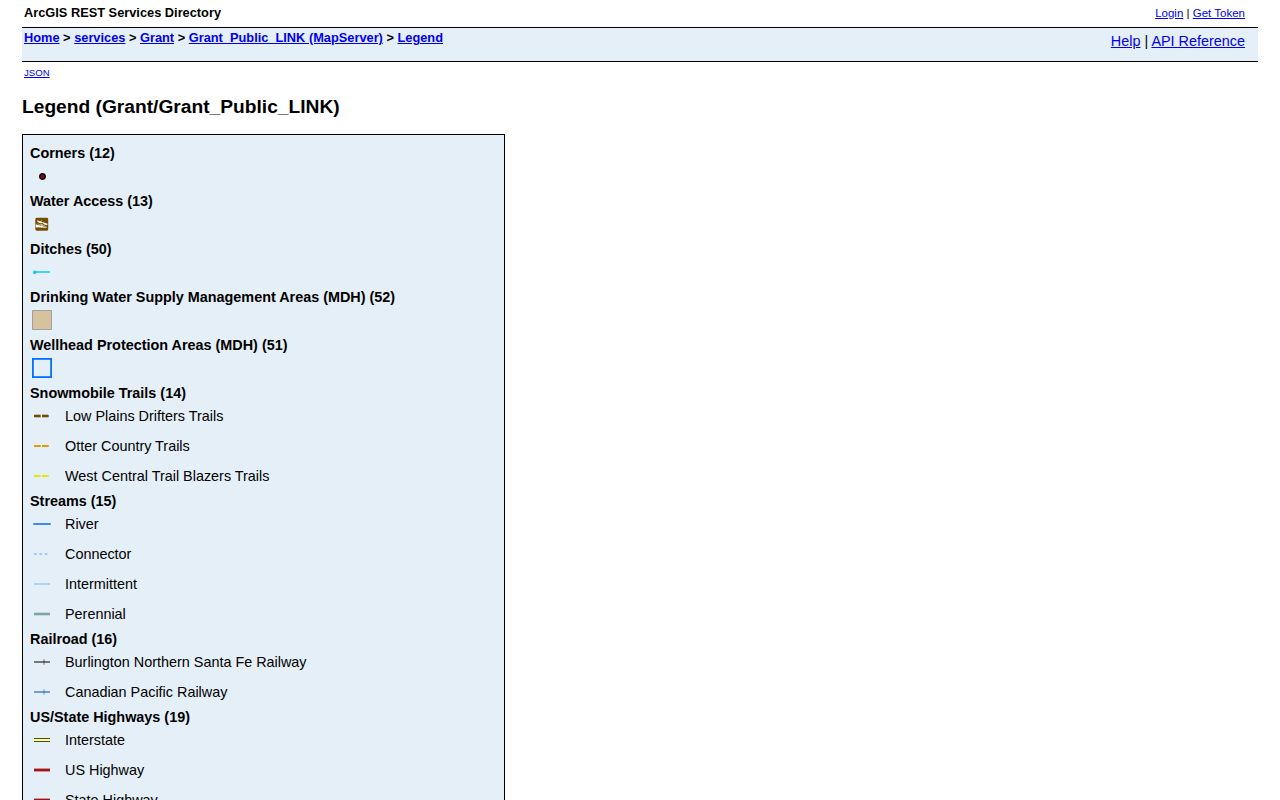
That map layer is not a live booking feed. Elbow Lake's own page sends law-enforcement inquiries straight to the sheriff.
Request a Same-Day Grant Arrest Record
Put your request in writing. Keep the window narrow. The Grant County Public Data Request Policy promises a response as soon as reasonably possible, though staff may ask for clarification first. The county will not invent data for you. The county need not create new records. It also need not rearrange data into a custom daily list or produce information it never held.
A focused request can seek the incident number, arrest time and place, originating agency, public adult fields, and legal basis as maintained. Add where held, transfer recipient, release information, and any public booking photograph the sheriff holds. If the booking sits with a receiving jail, ask the sheriff to name that custodian.
Inspection is not the same as copies. Copy, search, retrieval, electronic-transmission, or outside-vendor costs may apply. The Minnesota law-enforcement data overview explains public arrest data, booking photographs, active investigations, and protected identities.
The state guidance frames the request. The sheriff or receiving facility decides what it actually holds and can release. Under Minnesota law, the transfer trail is arrest data. That detail matters here. The arresting office and the booking jail are often different. So ask where the person is held. Ask for the transfer date and time as well. Also request the recipient and the release date, time, and legal basis. Request existing fields, not a report format the county never created.
Grant County Arrest Versus Custody
An arrest record and a custody listing answer different questions. Someone can be arrested in Grant County. That person can still show up nowhere on a current-custody search. The gap has ordinary explanations. Release can hide a person from view. So can transfer to another jail, delayed intake, or a facility that does not publish its roster. The VINELink Custody Check works well once a person or receiving facility is named. It still cannot prove whether an arrest happened.
Court files arrive later, so treat them as context rather than a same-day source. Minnesota Court Records Online holds cases, documents, hearings, and judgments. A pending criminal case stays hidden from a defendant-name search until conviction, though. A state prison case takes a different path. It appears in the DOC Public Viewer or Minnesota Haven path instead of a county jail lookup. Federal custody and immigration holds run through separate federal systems entirely.
Before opening any roster, confirm the facility's jurisdiction. Searches often mix Grant County, Minnesota with same-name counties in other states. Match the state abbreviation, the facility location, the agency, and the phone. Then read the roster's own scope. Some list only people in custody now. Others add recent releases or a short booking window. None of that can be assumed from the county name alone. Note the official address and the check time alongside whatever you find. A later release or transfer changes the result without erasing the older arrest record.
Arrest Records Are Not Convictions
A booking entry marks an arrest. It is a custody event, nothing more. Charges often change afterward. Amendment, reduction, dismissal, stay, and diversion happen too. Keep the agency, the record date, and the current status together. The official court disposition, once it exists, is the document to consult for outcome.
Minnesota's public-data rules do not require everything at once. Narratives, names, and booking photos can be released in stages. Active investigative data and protected identities can stay nonpublic. A mugshot may be withheld temporarily when release would harm an open investigation. Ask the custodian for its classification decision. That beats an unofficial source that fills the gap.
The sheriff and the receiving jail often hold different pieces of one event. The sheriff keeps the incident report. It also holds the arrest basis, agency, place, and transfer facts. The outside jail keeps intake details, facility identification, bond, release data, and the booking photo. Ask each office for what it maintains. One office should not rebuild the other's database. When fields conflict, compare the incident number, booking number, and timestamps. Then seek direct clarification before trusting either entry.
Note: Public access and guilt are separate questions; a record can be public while the allegation remains unresolved in court.